


Perfect Atta Roti & Chapati: A Beginner's Guide


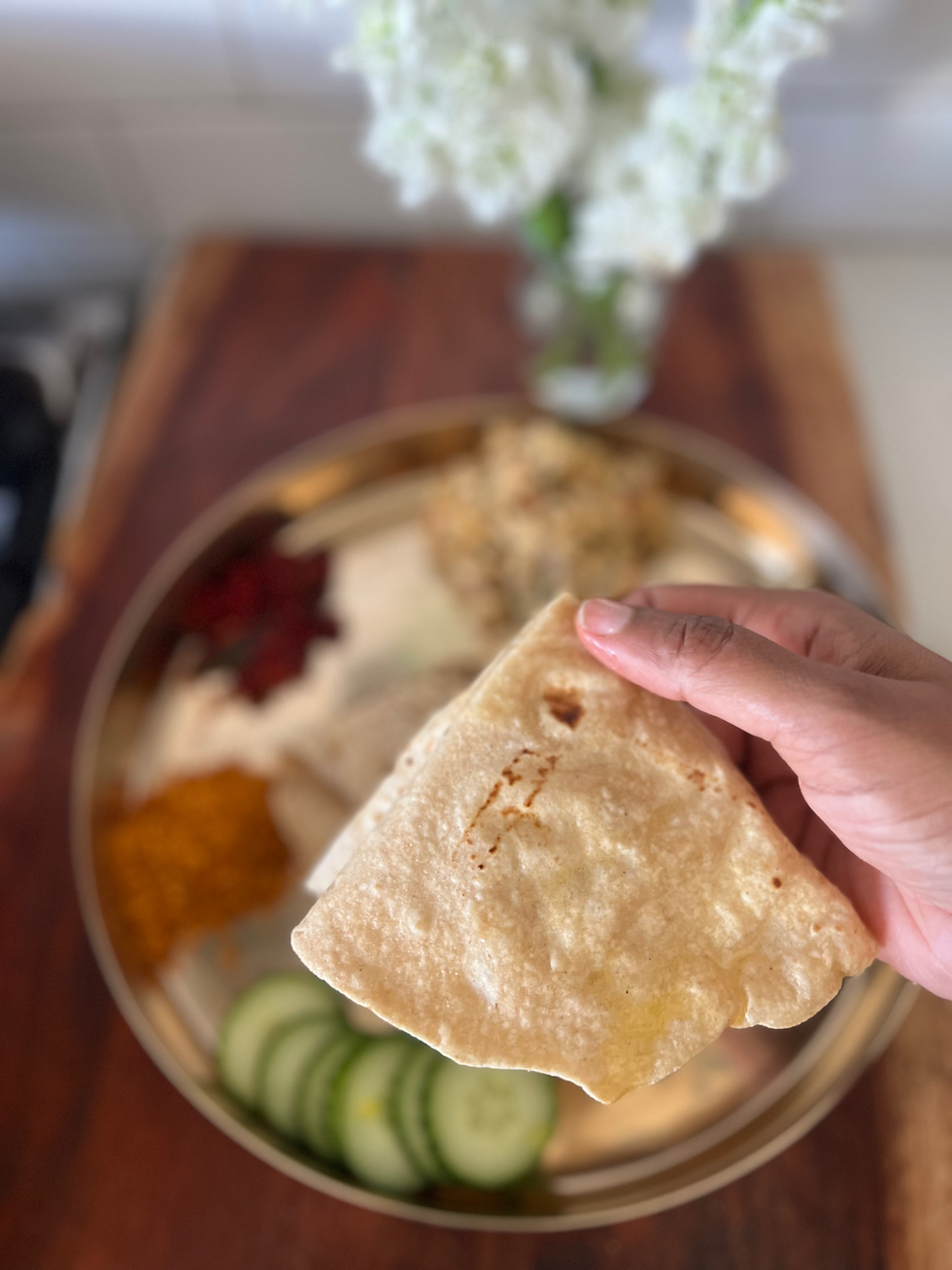
Roti represents the everyday bread of millions of Indian households. This unleavened flatbread, made simply from whole wheat flour, water, and salt, requires no rising time and cooks quickly on a flat griddle called a tawa. The magic of a good chapati lies in its ability to puff up when exposed to direct flame, creating a light, layered texture. Its simplicity belies the skill required to achieve the perfect balance of softness and structure. While plain paratas called chapati in southern Indian are simple but layered to maintain that extra bit of moisture. Warm rotis or chapatis right out of the tawa are so much lighter and tastier to pair with curries or sauces. If you're new to Indian flatbreads, this guide will walk you through every step of making beautiful, pillowy rotis using just three simple ingredients: whole wheat flour (atta), salt, and water.
What You'll Need
Ingredients:
1 cup atta (whole wheat flour), plus extra for dusting
1/4th teaspoon salt ( less if you tend eat with curries that are intense)
About 1/3 to 1/2 cup room temp water (you'll add this gradually)
Equipment:
Medium mixing bowl
Rolling pin (or a clean bottle if you don't have one)
Clean, flat surface for rolling
Tawa, cast iron skillet, or flat griddle
Clean kitchen towel
Small bowl with extra flour for dusting
Step 1: Making the Dough
Start by placing 1 cup of atta in your mixing bowl. Add the salt and mix it through with your fingers. Now add water. Pour in about 1/3 cup of warm water to start. Using your fingers or one hand, begin mixing the flour and water together. You're looking for a soft, pliable dough that doesn't stick to your hands but isn't dry or crumbly either.
Pro tip: Add water slowly, a tablespoon at a time if needed. Different brands of atta absorb water differently, so you might need slightly more or less than 1/2 cup total. The dough should feel like your earlobe when gently pressed—soft but not mushy.
Once the dough comes together, knead it for about 1 minute and let it rest for 15 to 20 minutes. Then, apply a bit of oil to your hands and knead the dough for 3 to 4 mins. Push it away from you with the heel of your palm, fold it back, turn it slightly, and repeat. You'll know it's ready when the surface becomes smooth and the dough springs back slightly when you poke it.
Place the dough in a container and cover .The dough is ready to roll out now or can keep in the refrigerator for a few days. The more the dough relaxes , rotis will be softer and easier to roll. If refrigerated , the dough has to come back to room temp for easier rolling. Cold dough is hard to work with.
** you can use your dough hook on the your mixer to make the dough. Much easier and quicker.
Step 2: Dividing and Shaping
After resting, your dough should feel even softer and more elastic. Knead it again for just a minute, then divide it into 6-7 equal portions (each about the size of a small lime or golf ball). Roll each portion between your palms to make a smooth ball. Keep these covered, so they don’t dry out if you still figuring out how to roll.
Step 3: The Triangle Folding Method
This is what I learned from my Amma! Take one dough ball and flatten it slightly into a small disc about 3 inches wide. Dust both sides lightly with flour—just enough to prevent sticking, not so much that it becomes floury. Add a few drop of oil.Now fold this disc in half to create a half-moon shape. Dust the folded surface lightly with flour again, then fold it in half once more to create a triangle. You now have a small triangular wedge with multiple layers.
Step 4: Rolling Out the Roti
Dust your rolling surface and rolling pin lightly with flour. Place your triangle on the surface with one point facing you (like an arrow pointing at you).
Here's the key to rolling: apply even, gentle pressure and roll from the center outward in different directions. Roll toward each point of the triangle, rotating the dough slightly after each roll. As you work, the triangle will gradually become a circle about 6-7 inches in diameter.I lift the entire roti and place it back again to roll a few times ensuring that it does not stick to the surface.
Common beginner mistakes to avoid:
Don't press too hard with the rolling pin—let it do the work
Keep rotating the roti as you roll to maintain an even thickness. You can just pick up the roti and place it back again ensuring its not sticking to the surface.
If it sticks, dust lightly with flour, but don't overdo it
Aim for about 1/8 inch thickness—not paper-thin, but not thick either
Or
Skip the triangle step and directly roll them into round flatbread like a tortilla.
Step 5: Cooking the Roti
Heat your tawa or skillet over medium-high heat. To test if it's ready, sprinkle a few drops of water on it—they should sizzle and evaporate immediately.
Drop , few drop of oil( not too much) Pick up your rolled roti carefully and lay it gently on the hot tawa. Within 10-15 seconds, you'll see small bubbles starting to form on the surface. This is your cue to flip it.
Flip the roti and cook for another 20-30 seconds. You'll see more bubbles forming and brown spots appearing on the underside. Flip it again using a spatula or thongs.
Now for the magic moment: press gently around the edges and on any large bubbles with a folded kitchen towel or a flat spatula. With the right heat and technique, your roti should puff up like a balloon! Don't worry if it doesn't puff completely on your first try—it takes practice, and the roti will still taste delicious.
Cook for another 15-20 seconds, flipping once more if needed, until both sides have golden-brown spots. The entire cooking process should take about 1-1.5 minutes per roti.
Step 6: Keeping Them Warm
As each roti comes off the tawa, place it in a container lined with a clean kitchen towel or roti basket. Cover them immediately to trap the steam—this keeps them soft and pliable. You can brush them lightly with ghee or butter if you like, though this is optional.
Troubleshooting Tips
Rotis turning out hard? Your dough might be too dry, or you're cooking them too long. Try adding a bit more water next time and reducing cooking time.Fliping them too many times also makes them hard or cooking on a low heat. The griddle has to maintain a medium high heat. It’s the play of maintaining as much moisture as possible.
Can't roll them into circles? This is completely normal for beginners! The triangle method helps, but if they're still odd-shaped, don't worry—they'll taste just as good. Practice makes perfect.
Rotis not puffing? Make sure your dough is soft enough, rolled evenly, and the tawa is hot enough. Also, sealing the edges while rolling helps trap steam inside.
Sticking to the tawa? Your pan might not be hot enough.
Final Thoughts
Making rotis is as much about feel and intuition as it is about following steps. Your first few might be irregular or not puff up perfectly, and that's absolutely fine! Each roti teaches you something. Soon, you'll develop a rhythm—the dough will feel just right in your hands, you'll know exactly when to flip, and perfect circles will emerge from your rolling pin.
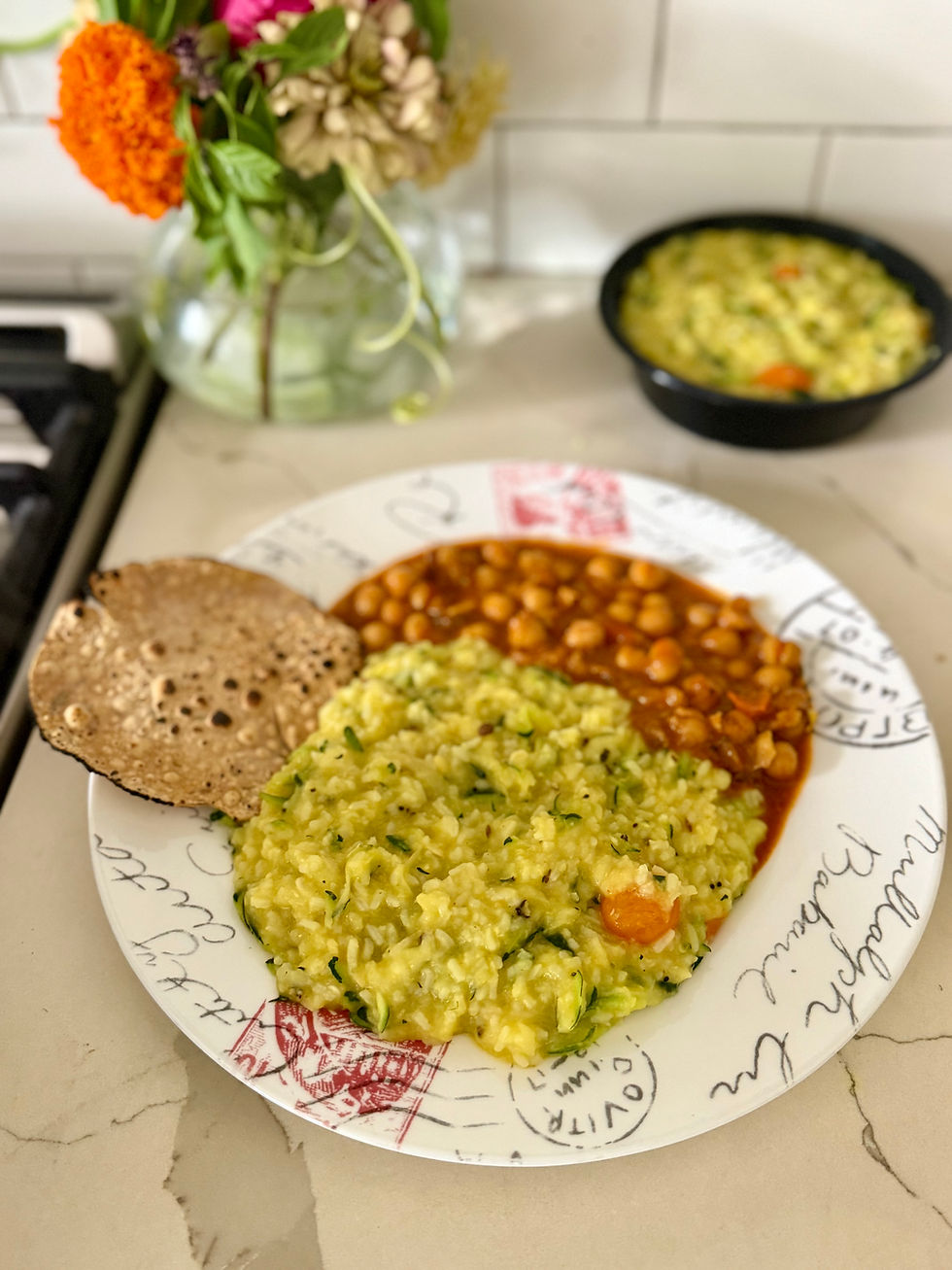
Enjoy your warm, fresh rotis with dal, curry, vegetables, or even a simple smear of butter. There's nothing quite like homemade bread to make a meal feel special.
Yield: 6-7 rotis
Prep time: 30 minutes (including resting)
Cook time: 15 minutes
Skill level: Beginner-friendly
Happy cooking!
Chakki Atta vs. Western Whole Wheat Flour: What's the Difference?
If you've ever wondered why your rotis don't turn out quite like the ones in India, the flour might be the culprit. While both chakki atta and flours like Bob's Red Mill whole wheat flour come from wheat, they're quite different in texture, processing, and performance.
The Grinding Process
Chakki atta gets its name from the traditional stone mill (chakki) used to grind it. The wheat is ground between two stone wheels in a single pass, producing a very fine, soft powder. This slow-grinding process generates less heat, which helps preserve the wheat germ's oils and nutrients. The result is a flour with a silky, almost talcum-powder-like texture.
Western whole wheat flour like Red Mill is typically ground using modern steel roller mills. The process often involves separating the bran, germ, and endosperm, then recombining them. This creates a coarser texture with more distinct flecks of bran visible in the flour.
Texture and Feel
Run chakki atta through your fingers and it feels incredibly soft and fine—almost like all-purpose flour but with more body. Bob's Red Mill and similar whole wheat flours feel grittier and coarser, with visible bran particles that give it a more rustic texture.
How It Affects Your Rotis
This texture difference is crucial for flatbread making. Chakki atta's fine consistency absorbs water more evenly and creates a smoother, more elastic dough that's easier to roll thin. The rotis come out softer, more pliable, and stay fresh longer.
Western whole wheat flour, being coarser, can produce rotis that are slightly denser, more prone to cracking when rolled, and may turn tough as they cool. The bran particles can also create tiny breaks in the gluten network, making it harder to achieve that coveted puffed-up roti.
What About the Wheat Itself?
Most chakki atta is made from hard wheat varieties grown in India, which have specific protein content ideal for flatbreads. Some brands also use a blend of wheat types. Western whole wheat flour often comes from different wheat varieties bred for bread-making, which can behave differently in Indian recipes.
Can You Substitute?
Yes, but with adjustments. If you're using Bob's Red Mill or similar flour for rotis, try these tips:
Add slightly less water than you would with atta—the coarser texture absorbs it differently
Let the dough rest longer (30 minutes instead of 15-20) to allow the bran to fully hydrate
Knead a bit more to develop the gluten
Expect a slightly different texture—nuttier and heartier, but perhaps not as soft
The Bottom Line
For authentic-tasting rotis, chapatis, and parathas, chakki atta is worth seeking out at Indian grocery stores or online. Brands like Aashirvaad, Pillsbury Chakki Atta, or Sujata Gold are widely available and inexpensive. But if you only have Bob's Red Mill on hand, you can absolutely still make delicious flatbreads—they'll just have a bit more rustic character. Think of it as the difference between a traditional French baguette and artisan whole grain bread: both delicious, just different in texture and feel.
The Technique
Step 1: Roll Thinner Than Usual
For phulkas to puff properly, roll them slightly thinner than regular rotis—about 6-7 inches in diameter but closer to 1/16 inch thick rather than 1/8 inch. The dough should still be soft and well-rested (20-30 minutes is ideal).
Key tip: Roll as evenly as possible. Uneven thickness means uneven puffing or no puffing at all.
Step 2: Partial Cooking on the Tawa
Heat your tawa over medium-high heat until it's hot but not smoking. Place your rolled roti on it.
Here's where timing is everything:
First side: Cook for just 20-30 seconds until you see the surface change from wet to dry and tiny bubbles start forming. You should see only a few small pale spots on the underside—don't let it brown much.
Second side: Flip and cook for another 20-30 seconds. Again, you want minimal browning—just a few light spots. The roti should look slightly undercooked and pale with some raw-looking patches.
The goal is to cook the roti about 70-80% of the way on the tawa. It should feel firm enough to handle but still soft and pliable, not crispy.
Step 3: The Flame Puff
Now for the exciting part! Using tongs or a folded kitchen towel, carefully pick up the roti from the tawa and place it directly over the open flame of your gas burner.
What happens next:
Within 1-2 seconds, you'll see small bubbles forming
Suddenly, the entire roti will start puffing up like a balloon—usually from one area first, then spreading across the whole surface
The roti will inflate into a complete sphere, like a little pillow
Important techniques:
Keep the roti about 2-3 inches above the flame—close enough to puff but not so close it burns
Move the roti around slightly with tongs so different parts are exposed to the heat
The whole process takes only 5-10 seconds
Watch for light golden-brown spots appearing—that's your cue it's done
Flip the roti over the flame for just 2-3 seconds to lightly cook the other side. You'll see a few more brown spots appear.
Step 4: Remove and Keep Warm
Once both sides have a few golden spots and the roti has fully puffed (or as much as it's going to), remove it immediately from the flame. Place it in a cloth-lined container and cover to keep warm.
Optional: Brush lightly with ghee for extra flavor and softness.
Why Some Rotis Don't Puff
Don't be discouraged if your first few don't balloon perfectly. Here are the common culprits:
Uneven rolling: Thick and thin spots prevent proper puffing. Practice makes perfect here.
Overcooked on tawa: If the roti browns too much on the griddle, it loses moisture and won't puff. Keep it pale and lightly cooked.
Dough too dry or too wet: The dough consistency matters enormously. It should be soft, smooth, and slightly tacky.
Not rolled thin enough: Thick rotis are harder to puff. Aim for that thinner consistency.
Holes or tears: Even tiny holes will let steam escape, preventing the balloon effect. Handle gently when transferring.
Flame too low: A weak flame won't generate enough heat quickly enough. Use medium-high flame.
Safety Tips
Keep your face and hands at a safe distance from the flame
Use long tongs or fold your kitchen towel several times for protection
If a roti catches fire (rare but possible), simply drop it back on the tawa to extinguish
Keep children and pets away from the cooking area
Have your plate ready nearby so you're not holding a hot roti longer than necessary
The Reward
Once you master this technique, you'll understand why Indian home cooks swear by it. Flame-puffed phulkas are incomparably soft—almost cloud-like—and have a subtle smoky aroma that makes them irresistible. They're perfect for scooping up dal, wrapping around sabzi, or eating plain with just a touch of ghee.
Your first perfectly puffed phulka, ballooning up over the flame, is a moment of pure kitchen magic. It's a skill passed down through generations, and now it's yours to master!
Pro tip: Once you're comfortable, you can develop a rhythm—rolling the next roti while one cooks on the tawa, then puffing it on the flame. With practice, you'll be turning out perfect phulkas in assembly-line fashion, just like the experts.


Comments